
Basic Electrical Repairs Every Homeowner Should Know: Safe and Practical Solutions

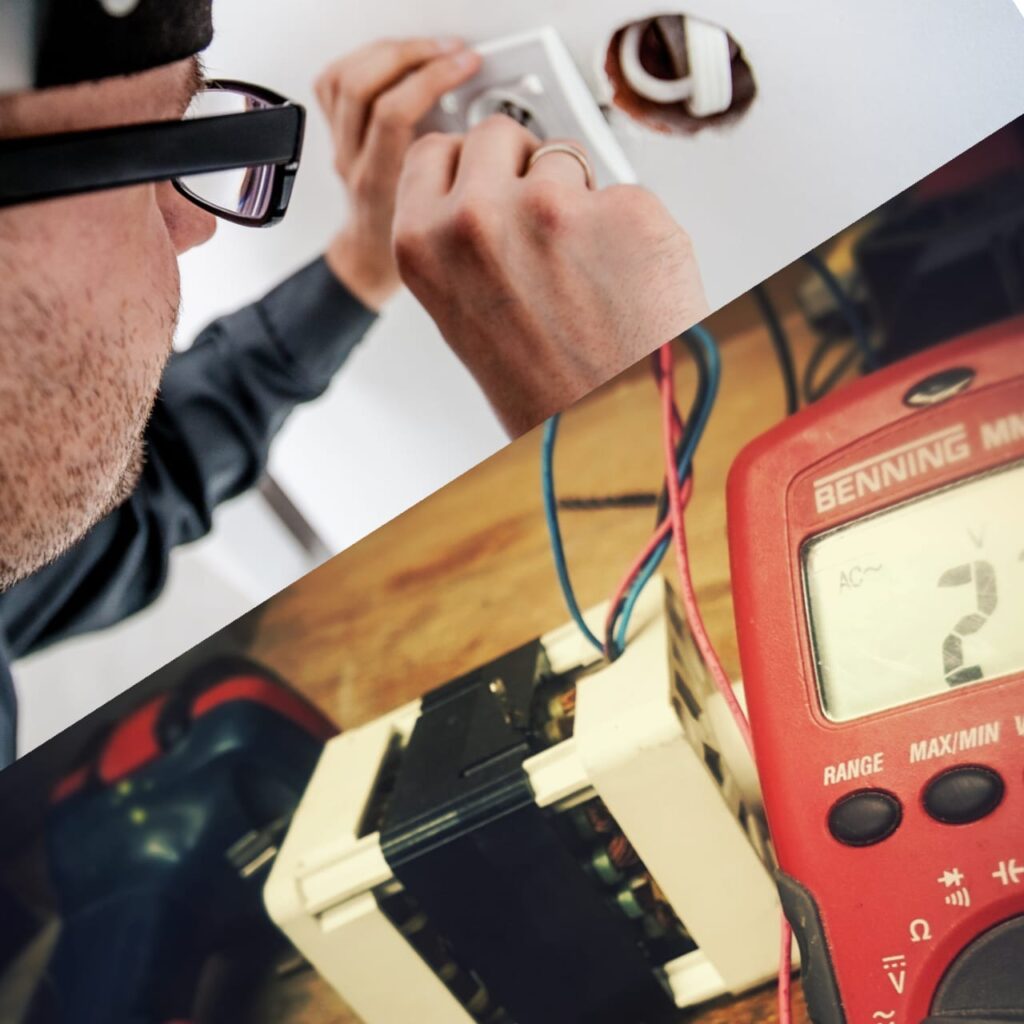
Electricity is one of the most important systems in any home. From lighting and appliances to charging devices and heating systems, modern life depends on a reliable electrical setup. However, electrical problems are also among the most common—and potentially dangerous—home repair issues.
At FixerHome, we focus on helping homeowners understand basic electrical repairs safely, recognize warning signs early, and know when a problem requires professional intervention.
Why Electrical Problems Should Never Be Ignored
Electrical issues are not just inconvenient; they can be dangerous. Ignoring small electrical problems can lead to:
Electrical fires
Damage to appliances
Power outages
Electric shock risks
Expensive system failures
Understanding basic electrical maintenance helps protect both your home and your family.
Understanding Your Home’s Electrical System (Simple Explanation)
Before attempting any repair, it is important to understand the basics.
A typical home electrical system includes:
Main electrical panel (breaker box)
Circuit breakers
Electrical wiring
Outlets and switches
Light fixtures
Electricity flows from the main panel through circuits to power outlets and appliances. When something goes wrong, the system often gives warning signs.
Common Electrical Problems in Homes
Power Outlets Not Working
Possible Causes:
Tripped circuit breaker
Loose wiring
Damaged outlet
Overloaded circuit
What You Can Do:
Check the breaker panel and reset the breaker
Test the outlet with another device
Replace damaged outlets if you have experience
⚠️ Always turn off power before working on outlets.
Flickering or Dimming Lights
Why It Happens:
Loose bulb
Faulty switch
Voltage fluctuations
Wiring issues
Simple Fixes:
Tighten or replace bulbs
Replace old switches
Check if the issue affects multiple rooms
If flickering occurs throughout the house, call an electrician immediately.
Circuit Breaker Keeps Tripping
Common Reasons:
Overloaded circuit
Short circuit
Faulty appliance
Safe Solutions:
Unplug unnecessary devices
Distribute appliances across different outlets
Identify and repair faulty appliances
Repeated tripping is a safety feature—never ignore it.
Replacing Electrical Switches and Outlets (Basic Level)
Replacing switches and outlets is one of the most common DIY electrical repairs.
Basic Steps (Overview):
Turn off power from the breaker
Test to confirm no electricity
Remove the old switch or outlet
Connect wires correctly
Secure and test
If you are unsure about wire connections, stop and seek professional help.
Signs of Dangerous Electrical Problems
Some warning signs indicate serious electrical issues that should not be handled DIY.
⚠️ Call a professional if you notice:
Burning smells
Warm or discolored outlets
Buzzing sounds
Sparks when plugging devices
Frequent power outages
These signs may indicate faulty wiring or overloaded circuits.
Electrical Safety Tips Every Homeowner Must Follow
Electrical safety should always come first.
Important safety rules:
Never work on live electricity
Use insulated tools
Keep water away from electrical components
Do not overload power strips
Install surge protectors
Simple safety habits prevent serious accidents.
How Poor Electrical Maintenance Increases Energy Bills
Faulty electrical systems waste energy.
Common causes of energy waste:
Loose connections
Old wiring
Inefficient lighting
Poor appliance maintenance
Upgrading to LED lighting and maintaining wiring improves efficiency and lowers bills.
Grounding and Why It Matters
Grounding protects your home from electrical faults.
Benefits of proper grounding:
Reduces shock risk
Protects appliances
Improves system stability
If your home is old and lacks proper grounding, a professional inspection is strongly recommended.
DIY vs Professional Electrical Repairs
DIY Electrical Repairs (Safe Level):
Replacing outlets
Changing light fixtures
Installing switches
Replacing bulbs and covers
Professional Electrical Repairs:
Rewiring
Panel upgrades
Grounding issues
Electrical system expansions
Never attempt repairs beyond your skill level.
Preventive Electrical Maintenance Checklist
Monthly:
Check outlets and switches
Test smoke detectors
Inspect extension cords
Yearly:
Inspect breaker panel
Replace damaged outlets
Test grounding system
Preventive maintenance avoids emergencies.
Why FixerHome Is a Reliable Electrical Repair Resource
FixerHome content is designed to:
Explain electrical topics simply
Focus on safety first
Help homeowners make informed decisions
Avoid unnecessary risks
We aim to educate, not encourage unsafe DIY behavior.
Final Thoughts
Electrical repairs do not need to be frightening, but they should always be respected. By learning basic electrical repairs, recognizing danger signs, and maintaining your system properly, you can keep your home safe, efficient, and reliable.
This guide is another building block in FixerHome’s mission to provide trustworthy home repair knowledge.